

 Tashvi M
 UpRising
Comments
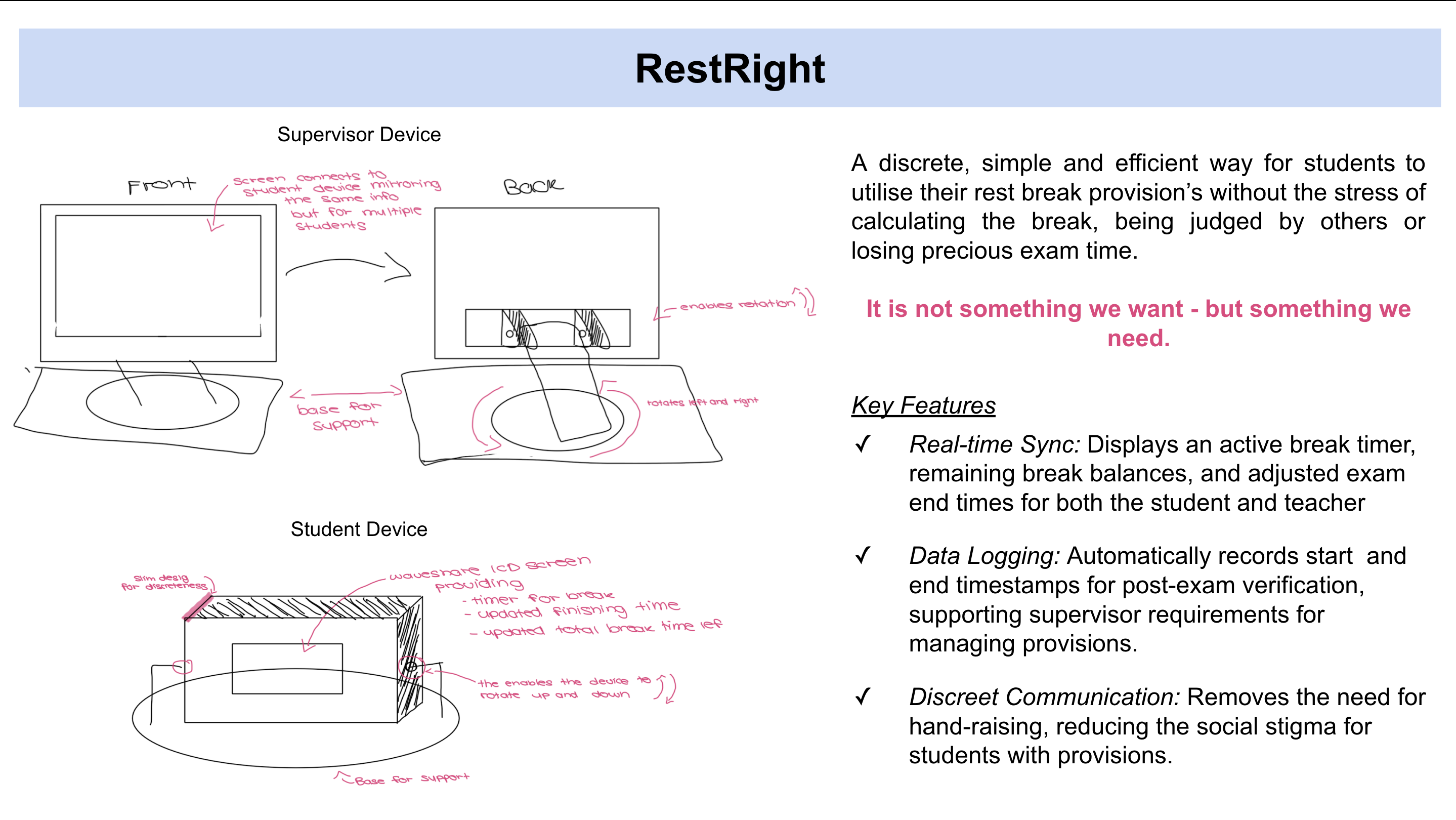
A fantastic concept Tatiana. Will you be using a pump to fill the chambers? I have some code that can help you with that. Also silicone can be tricky to use, esp the mould. Let me know if you need help with those parts, otherwise, excited to see this great challenge come to life.
Thank you! Yes, I’ve been considering either a hand pump, similar to those used for measuring blood pressure, or a mechanical pump that could be programmed to specific functions. My preferences lean towards a mechanical pump although if it doesn't work out I am happy with a hand pump. I am currently looking for pumps online. If you have any recommendations, I would greatly appreciate them.
I have also come to the conclusion that silicone can be challenging to work with. Since I still prefer to use silicone, I’ve been exploring alternative approaches. I have thought of using liquid silicone to pour into a mould, although I’m not yet sure on how to create the mould itself. Another option was to use a 3D silicone printer, which would be ideal, however, I haven’t found anyone who has one yet, and the price of the printer is out of my budget.
Although silicone remains my preferred material due to its durability and flexibility, I am open to any suggestions or alternative ideas you may have.
Great idea. It might be worth leaning further into CAD and 3D printing for this project. If you develop a printable version, educators could download and reproduce it anywhere. With newer flexible 3D-printing materials, you could prototype key components and test how they behave under different conditions. A modular approach, with printable core parts that can be swapped or upgraded, could also make the design more accessible and easier to iterate.
Peter Murphy RMIT University
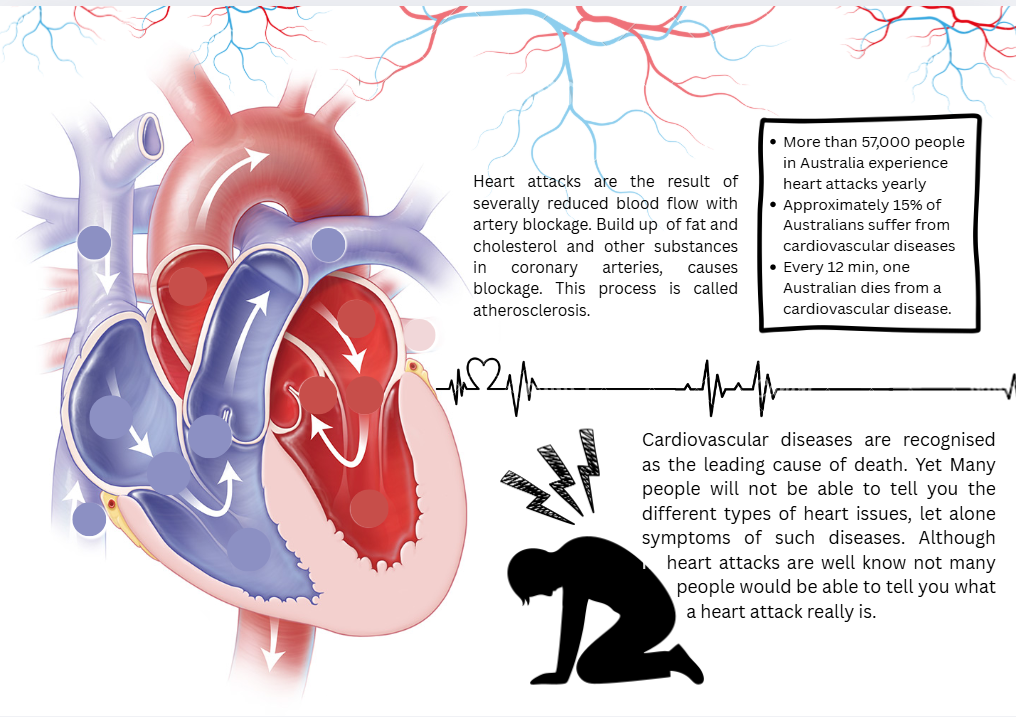
Hi Tatiana, your idea would be an indispensable teaching resource in schools and universities. Perhaps if all schools could access an affordable model heart, this aspect of health would be improved through education and awareness. The anatomy models currently available are very expensive, preventing many schools from purchasing them. These models also don't demonstrate what you are proposing. Good luck with such a challenging and significant project!
Dear Tatiana, I did write a response that is not coming up, so there may end up being two entries... This is very important work for parents of heart kids to understand what is happening for their child and when the heart is not functioning the way it should, giving them confidence in their actions to call an ambulance based on concrete evidence to the contrary of how a healthy heart should be behaving. Additionally, important work to teach about heart attack prevention through highly visual understandings about the heart. The product could save many lives. All the best in developing it and raising awareness. Reach out to paediatric cardiologists and see what support you find in developing your project. Kylie

 Aje_Castillo
 jaydes
 japanisturning...
 Cwell
Cwell