2026
Modular Study Pod
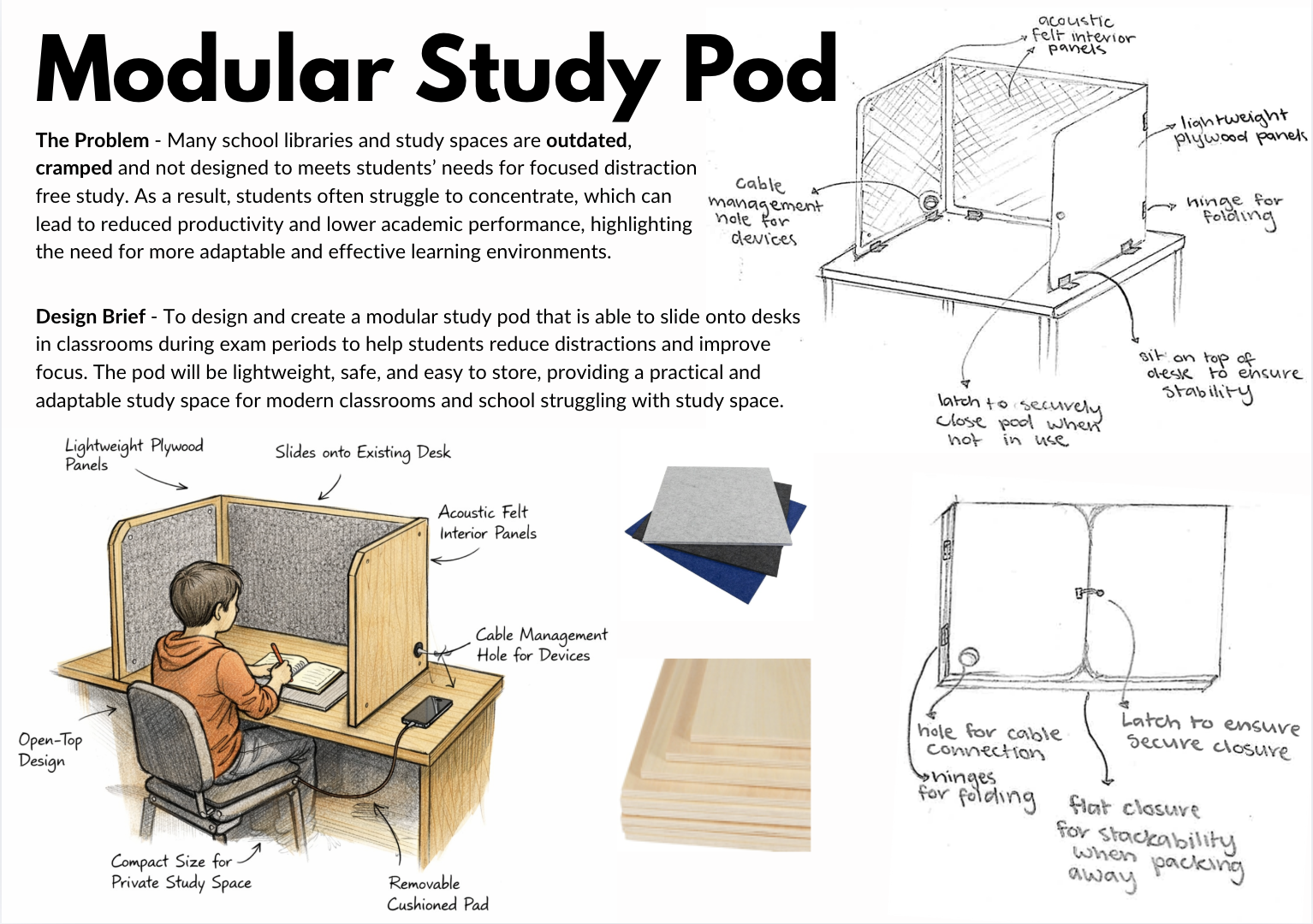
Creating a portable, modular study pod that slides onto a desk to create an instant, semi-private study space. This will help increase student productivity and results as they are more focused. Additionally, these can be folded down and packed away for when the school does not need them and then set up, during exam or assessment periods.
2026
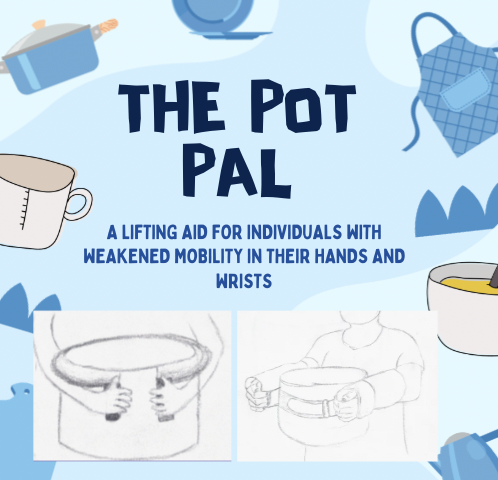
An ergonomic device which reduces strain, improving comfort & stability when lifting cooking pots
I am going to design and create a lifting aid that assists elderly users, and individuals with weakened hand and wrist mobility when handling cooking pots. As a result of age and chronic conditions, reduced strength, flexibility, and stability, this can make lifting or controlling this cookware difficult and unsafe. This product will feature an ergonomic, adjustable and heat-resistant design to improve grip, control, and overall safety in the kitchen. I’m specifically motivated by my own grandparents, as my grandfather has Parkinson’s disease, making movements involving gripping and maintaining stability difficult, whilst my grandma has arthritis in her wrists, affecting lifting.
2026
Multifunctional Modular Bag - Transitioning from School to the Gym
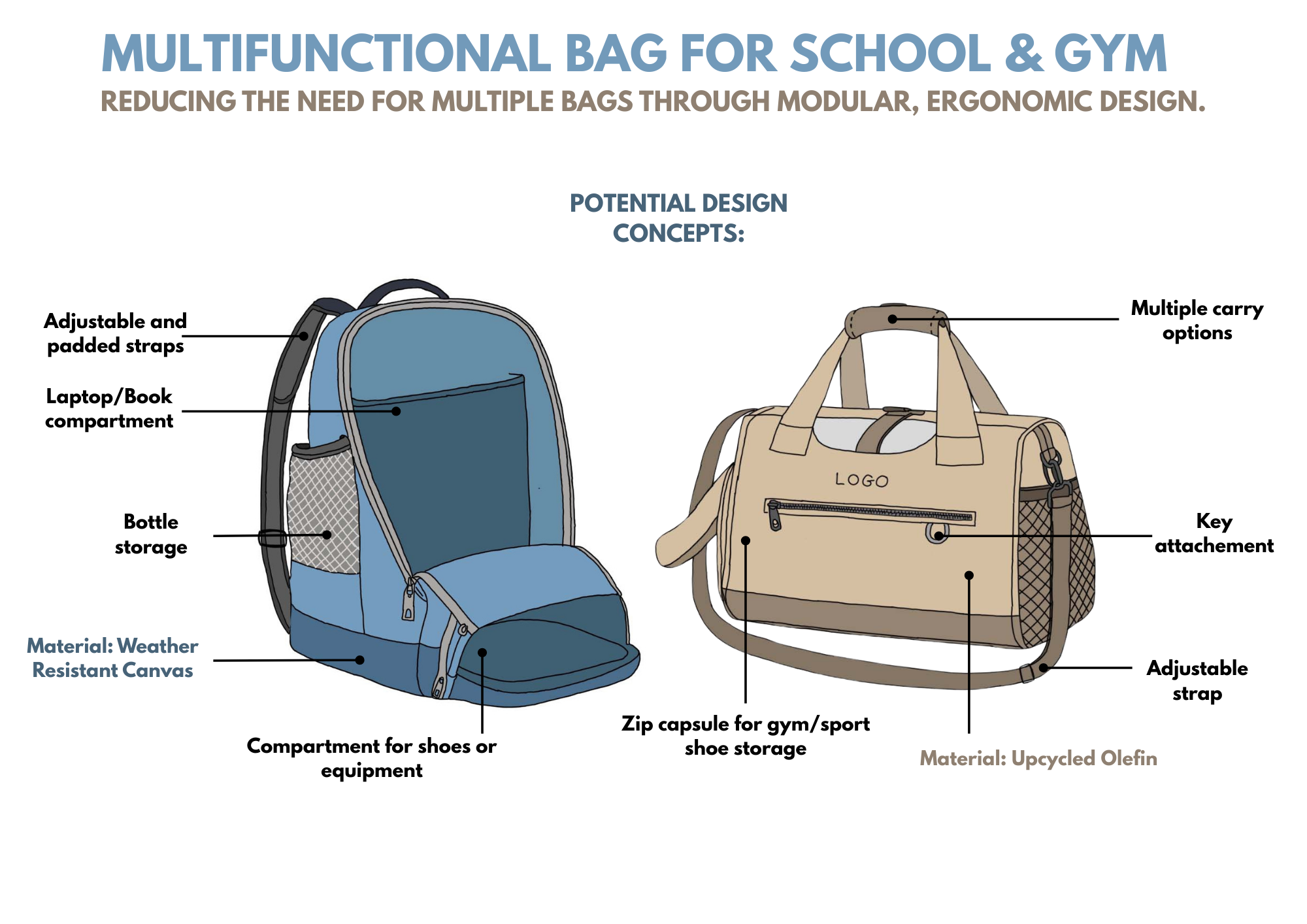
My project reimagines the everyday school and gym bag through a sustainable, multifunctional design. Designed for students aged 15–25, it aims to make switching environments seamless, while reducing waste by incorporating recycled textiles and repurposed materials from old bags. The design focuses on durability, comfort, and organisation, supported by targeted research, user feedback, and personal observations at my local gym. It aims to prove that sustainability and style can coexist, and that thoughtful design can make everyday routines simpler, smarter, and more responsible.
2026
RUN AWAY
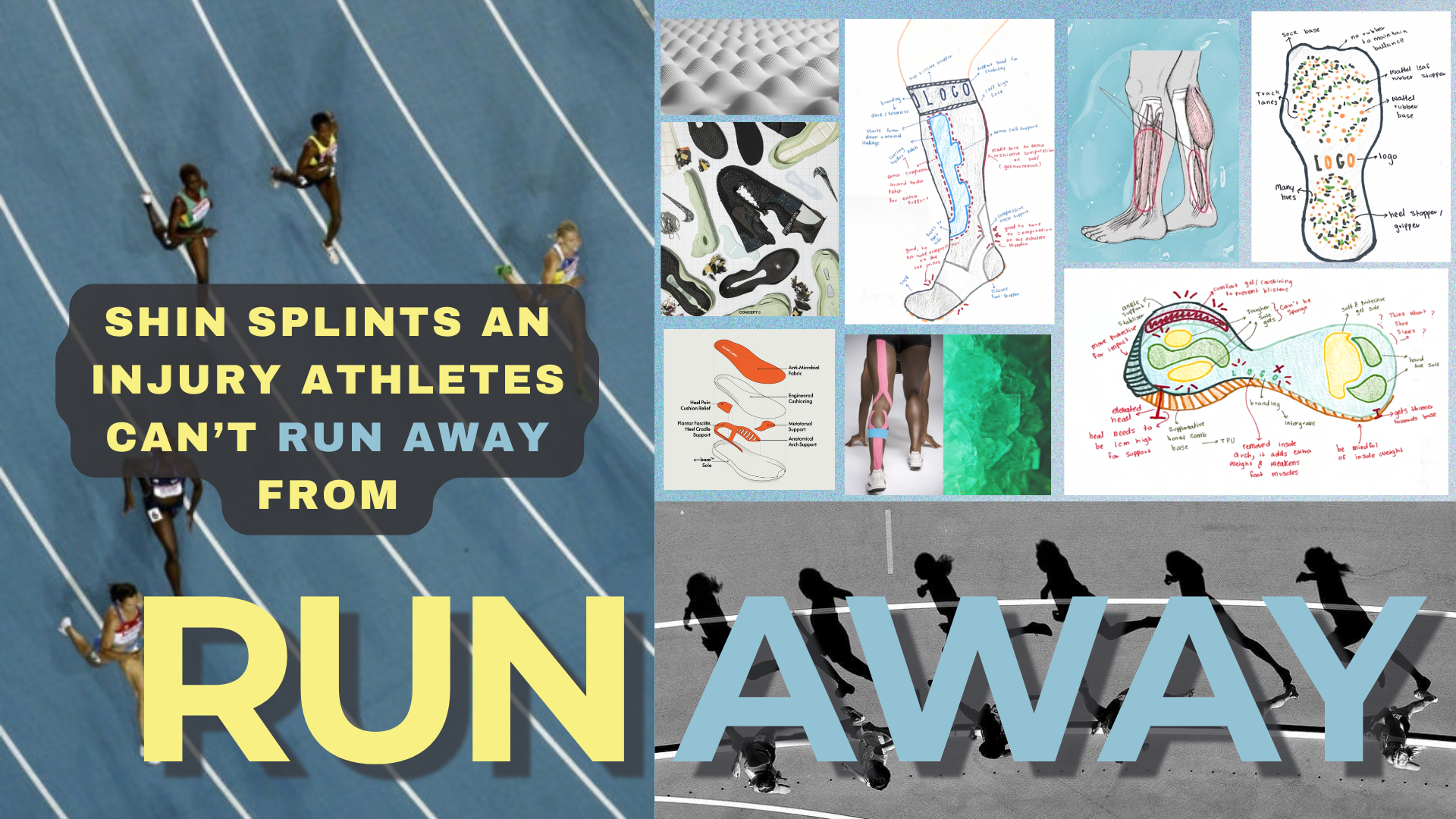
My project intends to develop an innovative biomechanical device to prevent and manage athletes shin splints, providing continuous pain relief and recovery support before, during and after performance. As an athlete who has consistently struggled with shin splints, I recognised a widespread need particularly when competing for Australia in Canada in 2025, where 80% of my 14–19-year-old squad experienced the same injury. With limited effective treatment options available, I’m developing a compression sock featuring active cooling technology and interchangeable supportive insoles for spike shoes, reducing pain, enhancing stability, and preventing further injury so athletes are not restricted by preventable setbacks.
2026
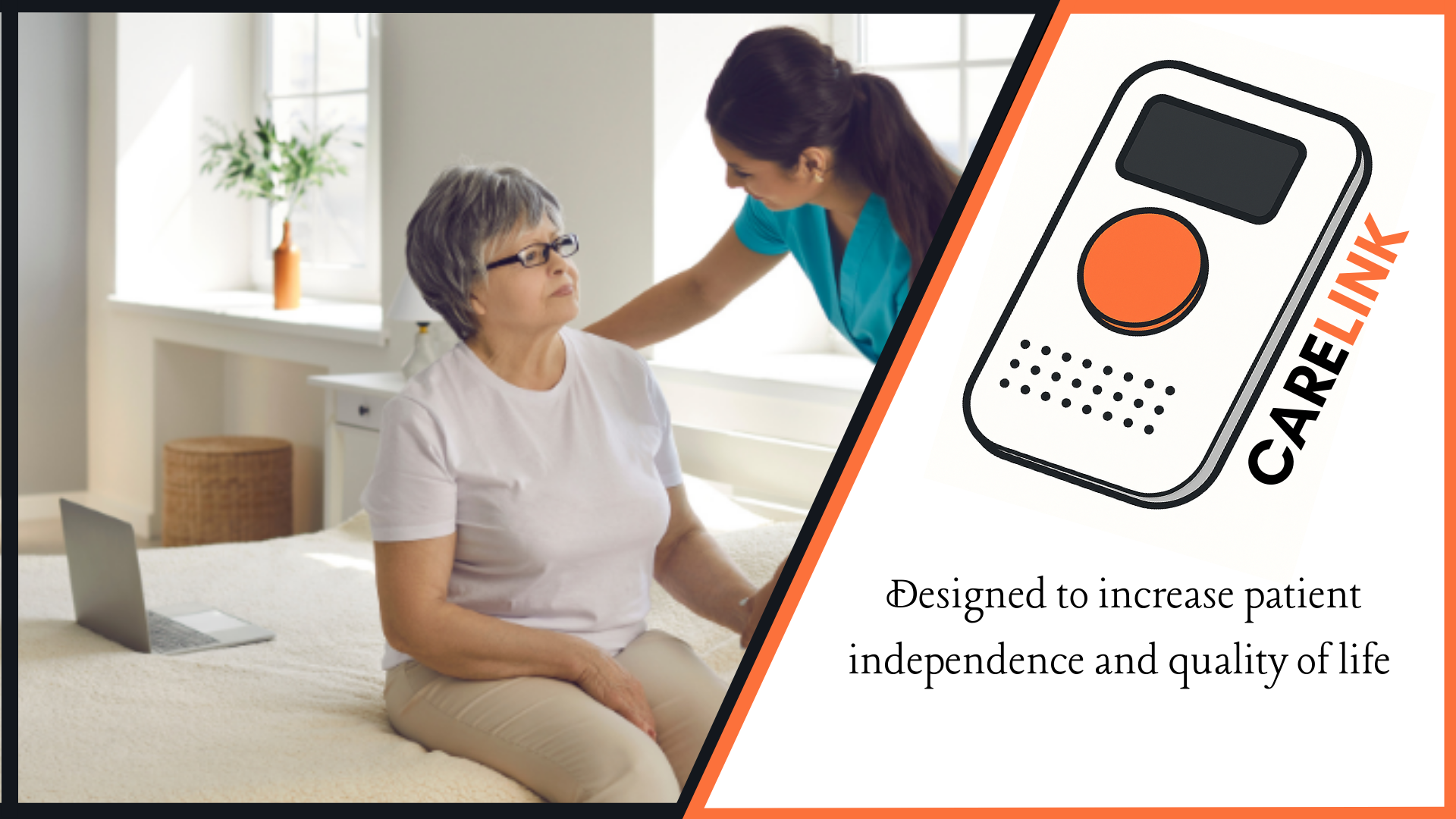
CARELINK - Greater Remote Domestic Care
My grandfather’s battle with Alzheimer’s and Parkinson’s disease profoundly affected both his independence and my grandmother’s role as his carer. In his later years, she was unable to leave the house without additional support, significantly limiting her own freedom. This experience has inspired me to design an assistive device that enables simple one-way communication, remote voice prompts, and alerts, proposed to increase safety, reassurance, and independence for both patient and carer.To help develop my design, I am seeking advice/support in coding, software development and electronics. Additionally, suggestions from anyone familiar with hospital, and residential care environments would be appreciated.
2026
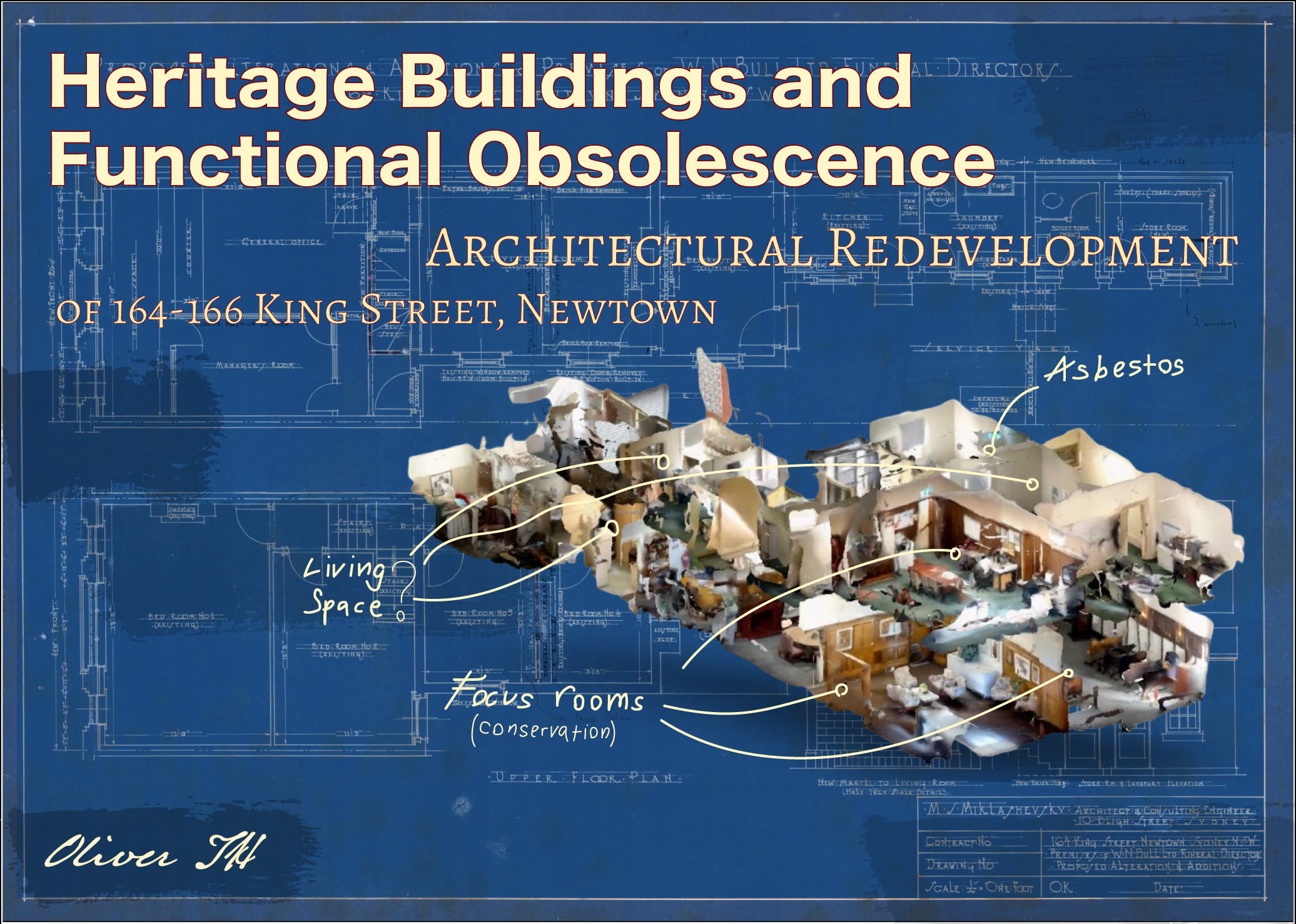
Heritage Buildings and Functional Obsolescence
This redevelopment intends to be an example for brighter, more thoughtful redevelopment of properties like 164-166 King Street, where deep rooted history in subcultural regions are becoming at risk of underinvestment and selective neglect: dereliction or gentrification. In regards to a greener and more community focused future, targeting the heart of this beast of a project lies in discovering the true needs of the community, creating a solution and being able to crafting a model well enough to reflect the idea’s quality to the council, the property owner and future investors in similar areas.